

Credit Cards vs. Debit Cards: A Guide for Gen Z Starting Their Financial Journey
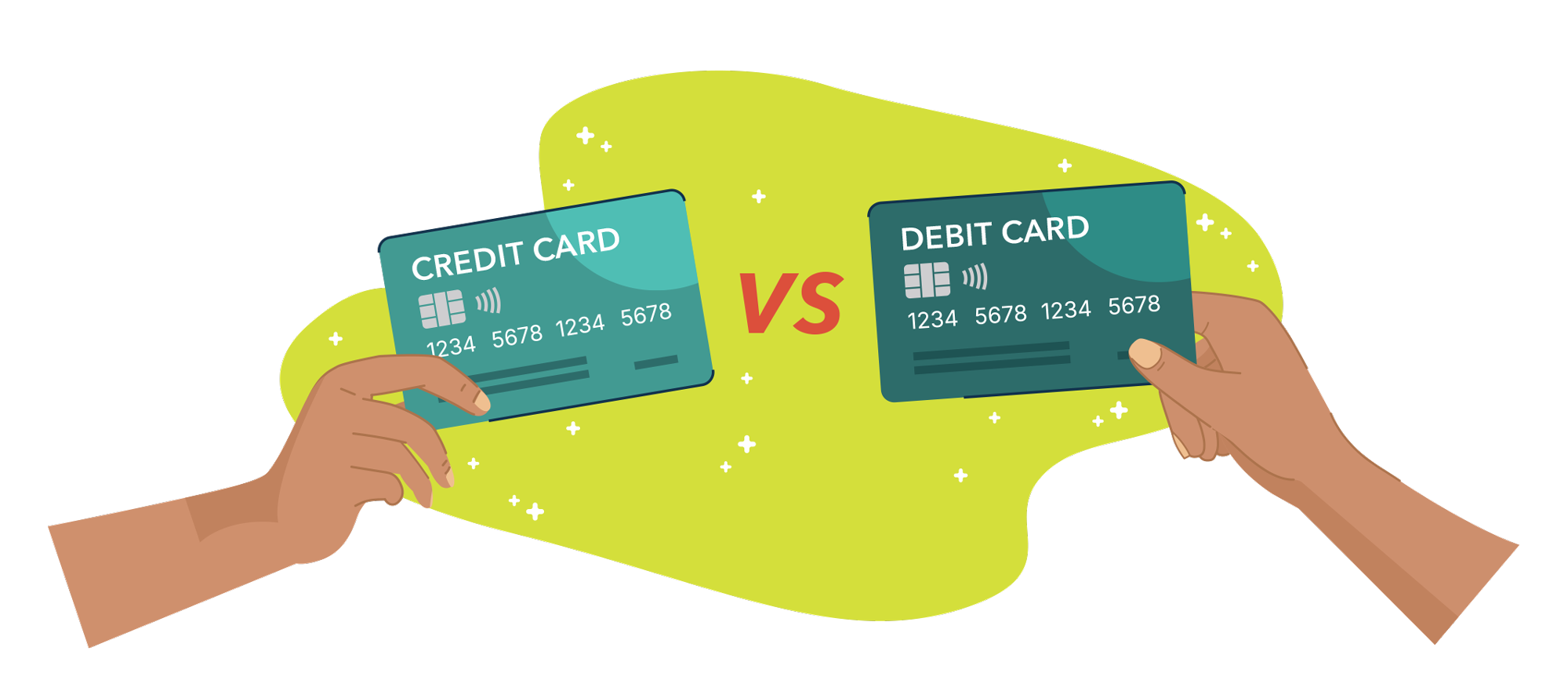
Welcome, Gen Z! As you embark on your financial journey, understanding the differences between credit cards and debit cards is crucial. Both have unique features and benefits that can help you manage your money effectively. Let’s dive into what each card offers and how you can make the best choice for your financial future.
Credit Cards
Credit cards allow you to borrow money up to a certain limit to make purchases or withdraw cash. Here are some key points to consider:
- Building Credit: Using a credit card responsibly can help you build a credit history, which is essential for future loans and financial opportunities.
- Rewards and Benefits: Many credit cards offer rewards like cashback, travel points, and discounts on purchases.
- Interest Rates: If you don’t pay off your balance in full each month, you'll incur interest charges, which can add up quickly.
- Fraud Protection: Credit cards often come with robust fraud protection, making them safer for online and large purchases.
Pros of Credit Cards
- Credit Building: Helps establish and improve your credit score.
- Rewards Programs: Earn points, cashback, and other perks.
- Purchase Protection: Better protection against fraud and disputes.
- Emergency Funds: Access to funds in case of emergencies.
Cons of Credit Cards
- Interest Charges: High-interest rates if balances are not paid in full.
- Debt Risk: Potential to accumulate debt if not managed properly.
- Fees: Possible annual fees, late payment fees, and other charges.
- Credit Impact: Misuse can negatively affect your credit score.
Debit Cards
Debit cards, on the other hand, are linked directly to your bank account. When you make a purchase, the money is deducted from your account immediately. Here are some advantages:
- No Debt: Since you’re using your own money, you won’t accumulate debt or interest charges.
- Easy Budgeting: It’s easier to track your spending and stick to a budget since you're using funds you already have.
- Lower Fees: Debit cards typically have fewer fees compared to credit cards.
- Instant Access: You can withdraw cash from ATMs and make purchases directly from your account.
Pros of Debit Cards
- No Interest: No interest charges since you’re using your own money.
- Budget-Friendly: Helps in managing and sticking to a budget.
- Lower Fees: Generally fewer fees than credit cards.
- Immediate Transactions: Instant deduction from your account.
Cons of Debit Cards
- No Credit Building: Does not help in building credit history.
- Limited Fraud Protection: Less protection compared to credit cards.
- Overdraft Fees: Risk of overdraft fees if you spend more than your balance.
- Limited Rewards: Fewer rewards and benefits compared to credit cards.
Which One Should You Choose?
The choice between a credit card and a debit card depends on your financial goals and habits. If you’re looking to build credit and enjoy rewards, a credit card might be the way to go. However, if you prefer to avoid debt and manage your spending more closely, a debit card could be a better fit.
Get Started Today
Ready to take control of your finances? Start by evaluating your spending habits and financial goals. Whether you choose a credit card or a debit card, make sure to use it responsibly. Need more tips and advice on managing your money? Visit us and speak to one of our certified Financial Counselors or call 808 441-4263 and look for Jesse Valona. You can also email him at jvalona@hawaiifcu.org.
« Return to "Community Impact"